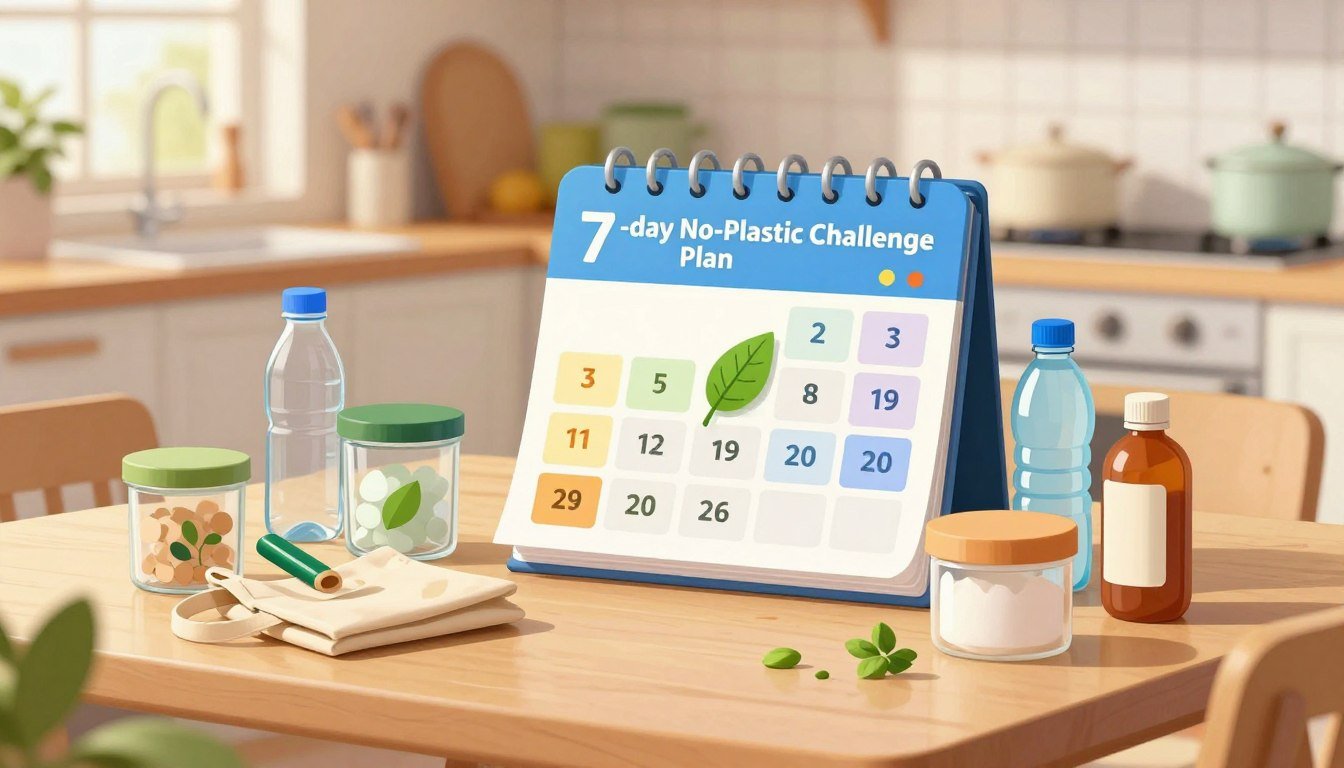
What if you could significantly reduce your environmental footprint in just one week? Many people don’t realize how much single-use plastic fills their daily routines.
This seven-day initiative offers an accessible starting point for anyone wanting to make a meaningful difference. It began on Earth Day in 2016 as a global movement using the hashtag #PlasticFreeChallenge.
The program helps participants recognize how much disposable plastic infiltrates everyday life. From grocery shopping to coffee runs, we encounter these items constantly.
For seven consecutive days, you’ll actively avoid purchasing or using single-use plastic items. The focus is on building awareness rather than achieving perfection.
This experience helps people discover practical alternatives to common plastic products. Participants document their journey, sharing both successes and challenges.
The beauty of this approach is its flexibility. People across different lifestyles and budgets can participate meaningfully. By week’s end, you’ll gain valuable insights into consumption patterns that last well beyond the initial seven days.
Key Takeaways
- A seven-day program helps build awareness about plastic consumption
- This initiative started as a global movement on Earth Day 2016
- Participants avoid single-use plastic items for one week
- The focus is on practical alternatives rather than perfection
- Documenting the experience helps inspire others
- The challenge is adaptable to different lifestyles and budgets
- Participants develop lasting skills for reducing plastic waste
Understanding Plastic Pollution and Its Impact
The scale of plastic pollution presents a critical threat to global ecosystems and human health. This issue demands a collective response from individuals, businesses, and governments. Waiting for policy solutions alone is not enough.
Grassroots movements and personal changes build the necessary pressure for larger transformation. Individual actions show a clear demand for sustainable alternatives.
Health and Environmental Consequences
Plastic is a permanent material. It never truly breaks down. Every piece ever created remains in our world, fragmenting into microplastics.
People unknowingly consume about five grams of these tiny plastic particles every week. That is equal to eating a credit card. These petroleum-based plastics pollute our air, water, and food.
They disrupt our endocrine systems and are linked to serious health risks. These include cancer, infertility, and other diseases. The environmental impact is equally severe.
The Urgency for Change
The average person generates over 38 kilograms of plastic waste each year. This massive quantity poses a direct threat to future generations. They will inherit a planet contaminated by our waste.
The economic and social costs of inaction are immense. Cleanup efforts and healthcare expenses related to plastic-associated illnesses create a heavy burden.
Addressing this crisis supports broader sustainability goals like fighting climate change. Collective action, starting with individual efforts, can create a cleaner, healthier world.
No-Plastic Challenge: A Step-by-Step Plan
Following a day-by-day plan transforms overwhelming environmental goals into achievable daily actions. This structured approach helps participants build momentum throughout the week.
The No-Plastic Challenge provides clear guidance for each phase of the experience. Participants discover practical ways to reduce plastic consumption systematically.
Day 1-3: Getting Started with Awareness
The first three days focus on observation and recognition. People become hyper-aware of plastic items they previously overlooked.
This awareness phase often reveals surprising plastic usage patterns. Many participants report shock at how much disposable plastic fills their daily routines.
Day 4-7: Implementing Creative Alternatives
The second half introduces practical solutions and creative alternatives. Participants test different approaches to replace common plastic items.
This phase emphasizes finding sustainable options that work for individual lifestyles. The focus shifts from awareness to active implementation.
Documenting and Sharing Your Progress
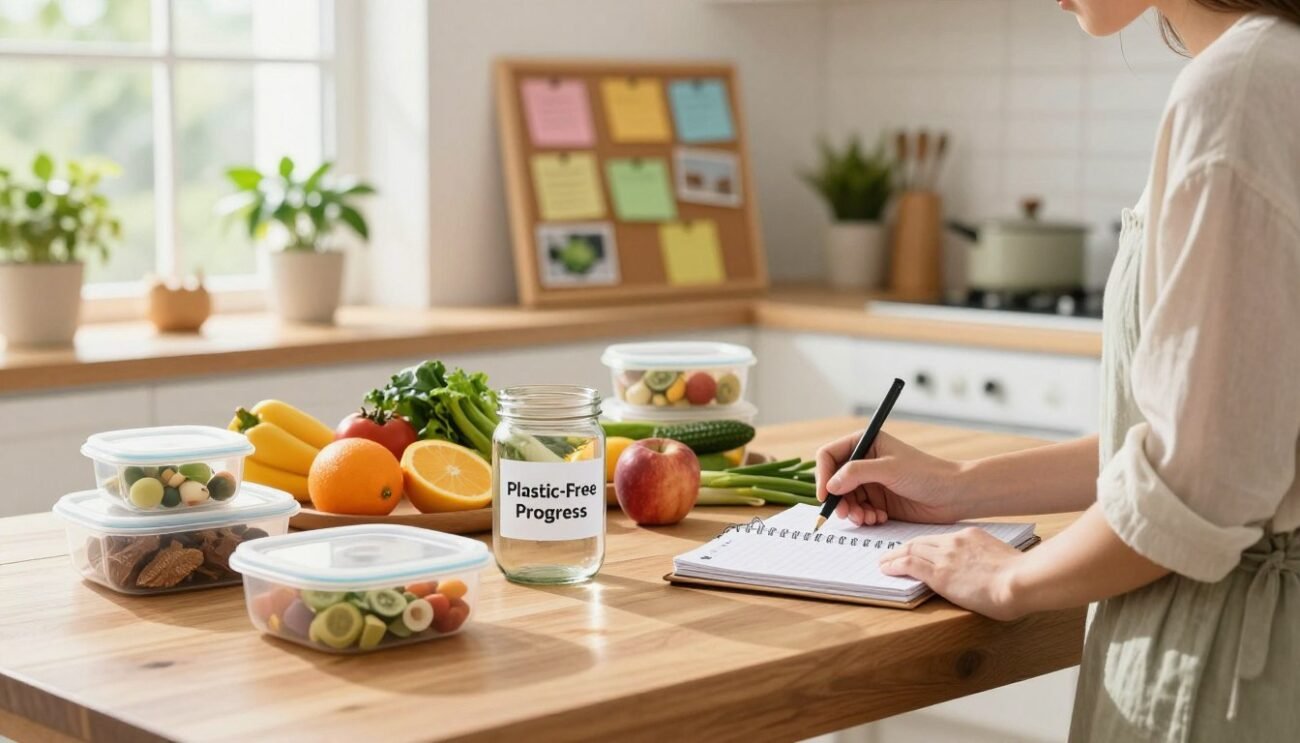
Recording the journey creates valuable personal insights. Photos, videos, or written accounts capture both successes and struggles.
Sharing experiences on social media builds community connection. Using hashtags like #PlasticFreeChallenge amplifies the message to wider audiences.
This documentation opens conversations about environmental impacts. It demonstrates consumer demand for sustainable alternatives to plastic packaging.
Collective sharing creates a resource library of practical solutions. Participants learn from each other’s discoveries throughout the year.
Practical Tips and Alternatives for Reducing Plastic Waste
Discovering practical alternatives to everyday plastic products makes sustainable living accessible to everyone. Simple swaps can significantly reduce your environmental impact while maintaining convenience.
Innovative Reusable and Sustainable Options
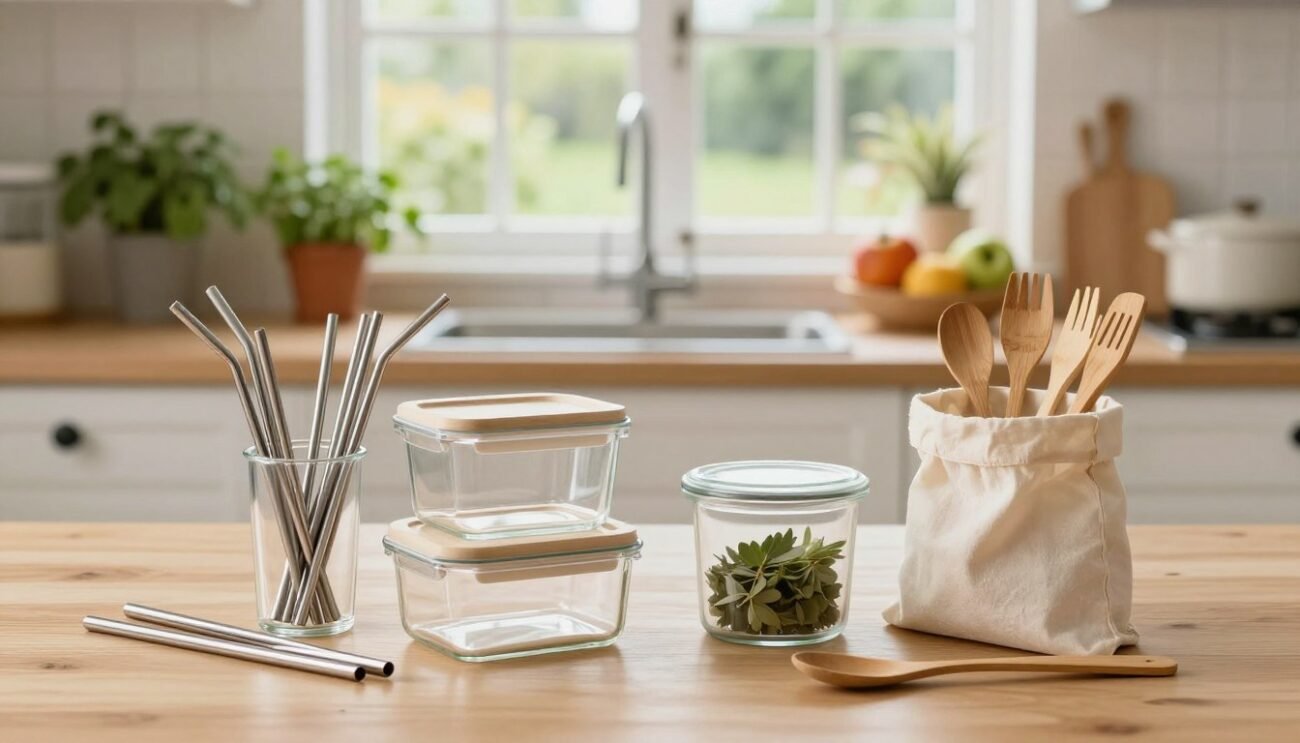
Reusable shopping bags represent the most fundamental change. Keep multiple bags in your car, by your door, or in your backpack. This ensures you always have them available for groceries and other shopping trips.
Lightweight mesh or cloth produce bags offer excellent alternatives to thin plastic bags. They allow you to purchase loose fruits and vegetables without generating plastic waste.
Reusable beverage containers address the massive disposable cup problem. Germany alone discards 320,000 disposable cups every hour. Insulated coffee cups and water bottles provide sustainable solutions.
Food storage alternatives include glass containers, beeswax wraps, and silicone bags. These items replace plastic wrap and disposable storage products in home kitchens.
Bringing your own containers to stores is increasingly accepted. Many retailers must accommodate this practice by law. This makes bulk shopping and package-free purchasing more accessible.
Innovative alternatives include bamboo toothbrushes and safety razors with replaceable blades. Bar shampoo, reusable straws, and cloth napkins complete the transformation.
Building a plastic-free kit with essential reusable items handles various situations away from home. Initiatives like Plastikalternative offer daily product recommendations to discover new sustainable alternatives.
Incorporating the Challenge into Daily Life
Moving beyond the initial week-long commitment means embedding sustainable practices into everyday life. The awareness gained during those seven days becomes the foundation for lasting change. This transition transforms conscious effort into natural habit.
Making Eco-friendly Choices a Habit
Consistency turns temporary changes into permanent lifestyle improvements. People discover that reusable alternatives become second nature over time. Simple routines like carrying a water bottle or shopping bags become automatic.
Family involvement accelerates this transformation. Children learn environmental values through practical experience. Grocery shopping becomes an educational treasure hunt for package-free food options.
Engaging Your Community and Family
Social connections amplify individual efforts. Sharing experiences with friends creates collective momentum. Community events like bulk shopping trips make sustainable choices more accessible.
Local businesses respond to customer feedback about packaging. This builds market demand for better alternatives. Leading by example shows others that plastic-free living is achievable.
Online communities provide support and inspiration. Social media connections turn personal actions into broader movements. Together, these efforts shape a more sustainable future for everyone.
Conclusion
Individual actions against plastic pollution create ripples that extend far beyond personal consumption habits. The seven-day initiative serves as a powerful entry point into sustainable living.
While one person’s efforts cannot solve the global plastic crisis alone, collective action drives meaningful change. Thousands of participants together create cultural shifts and market pressure for better alternatives.
Each participant achieves dual impact. They directly reduce plastic waste entering ecosystems each year. They also inspire others through shared experiences and creative documentation.
View this week as the beginning of an ongoing journey. Continue discovering new alternatives and refining your approach over time. Share both successes and challenges honestly.
Join the global community using hashtags like #PlasticFreeChallenge. Together, we can build a world where sustainable alternatives become the norm. Our collective commitment creates cleaner oceans and healthier ecosystems for future generations.
FAQ
What is the main goal of this 7-day plan?
The primary aim is to build awareness and introduce simple habits to cut down on single-use items. It helps you identify common sources of waste in your routine and find effective swaps.
Is it really possible to avoid all plastic for a week?
Completely eliminating it can be tough, but the focus is on reduction, not perfection. The plan encourages mindful choices, like using a reusable water bottle instead of buying disposable ones.
What are some easy alternatives to common plastic products?
Great swaps include carrying a stainless steel straw, using beeswax wraps for food storage, and choosing products with minimal packaging. Many grocery stores now support bringing your own containers.
How can I get my family or friends involved in the effort?
Share your progress on social media or start a group chat to exchange tips. Turning it into a friendly competition can make adopting new habits more fun and sustainable for everyone.
What should I do with the plastic waste I already have at home?
A> Properly recycle what you can according to local guidelines. For items that can’t be recycled, consider creative reuse projects before disposal to extend their life.
Where can I find more information about the long-term impact of plastic pollution?
A> Reputable sources like the National Geographic Society and the Environmental Protection Agency (EPA) offer detailed reports on the effects of plastic on oceans and wildlife.