What if your morning coffee cup, grocery bag, and lunch container were quietly contributing to a massive environmental problem?
Americans use an average of 365 plastic bags per person each year. The United States produces over 292 million tons of municipal solid waste annually. Packaging remains a major contributor to this growing issue.
Consider this staggering fact: we consume 1.7 billion water bottles each week nationwide. Less than 30% get recycled. An estimated 40 billion plastic utensils get discarded every year.
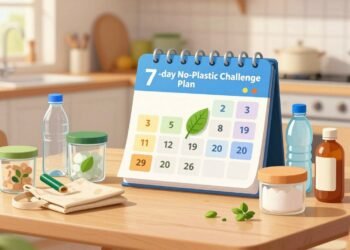
This practical framework offers a solution. The approach focuses on 10 specific swaps you can implement gradually. It makes transitioning to reusable alternatives manageable rather than overwhelming.
The method follows a day-by-day structure. This allows you to build sustainable habits incrementally. You’ll see measurable results in your personal waste reduction quickly.
These swaps target the most common disposable products in daily life. They cover everything from your morning routine to grocery shopping and dining out. The goal isn’t perfection but consistent, meaningful changes that collectively reduce environmental impact.
Key Takeaways
- The United States faces a significant waste problem with over 292 million tons of municipal solid waste produced annually
- Single-use items dominate American consumption patterns, from plastic bags to water bottles
- A gradual, manageable approach makes transitioning to reusables more sustainable
- The program focuses on 10 common disposable items encountered in daily life
- Building habits incrementally leads to long-term success in waste reduction
- Measurable results can be seen quickly through consistent small changes
- The emphasis is on progress rather than perfection in environmental efforts
Embracing the Reusables Challenge: A New Eco-Friendly Lifestyle
Adopting a zero waste mindset transforms how we interact with everyday products. This philosophy centers on mindful resource use and preventing trash before it starts.
It’s a practical approach to a significant change in daily life.
Defining the Reusables Challenge and its goals
This program is a guided entry into the zero waste movement. The framework is built on the 5 R’s: refuse, reduce, reuse, recycle, and rot.
These principles help you make smarter choices about what you bring into your home.
The primary goal is to cut single-use item consumption through 10 specific swaps. This targeted method tackles the most wasteful parts of your routine.
The focus is on building lasting habits, not achieving instant perfection.
How sustainable habits can reshape daily routines
Each small swap creates a ripple effect of positive change. Your morning ritual, shopping trip, and dining experience all become more sustainable.
Building a new habit takes time and consistency. This step-by-step plan helps you avoid feeling overwhelmed.
You’ll stay motivated by seeing tangible results quickly. This journey leads to a more thoughtful relationship with the things you use every day.
Understanding the Impact of Single-Use Items
The true price of convenience extends far beyond the checkout counter, embedding itself deep within our ecosystems. Many common disposable items, from bags to bottles, carry a heavy environmental cost that isn’t reflected in their purchase price.
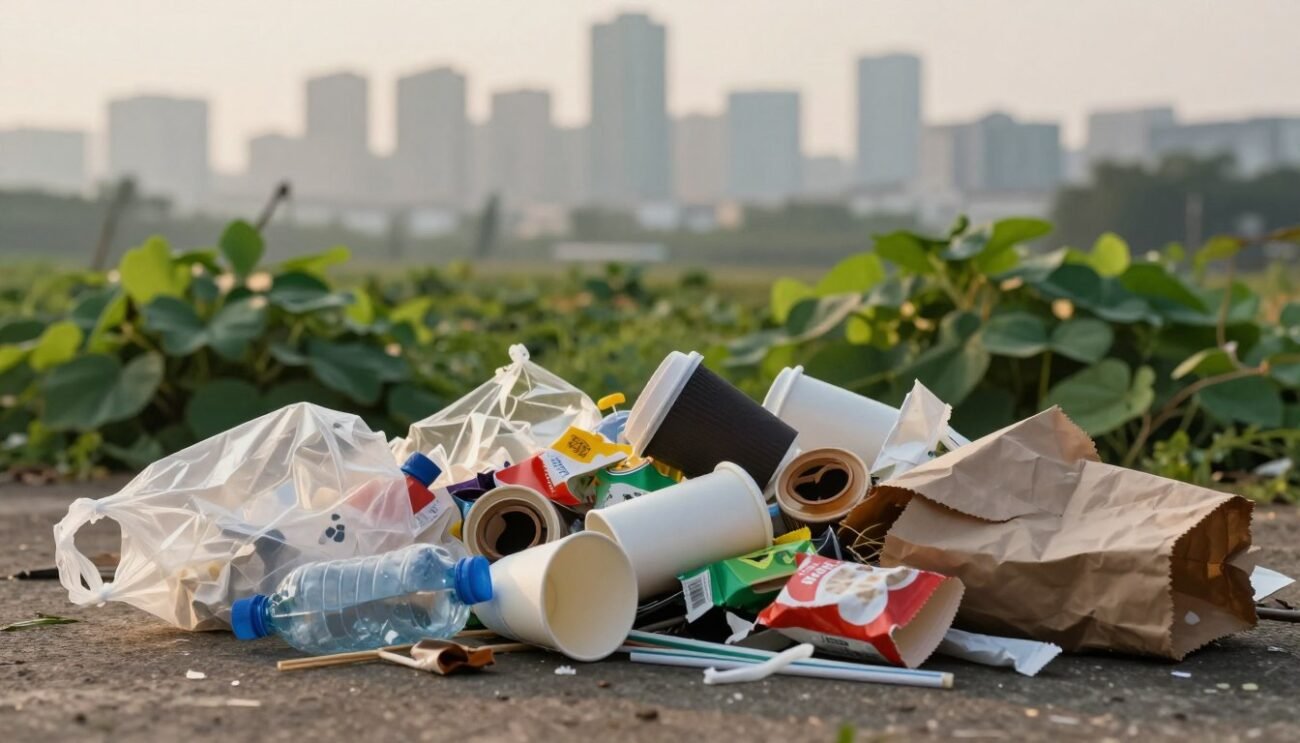
The environmental cost of plastic, paper, and disposable materials
Both plastic and paper alternatives create significant waste. Nearly 2 million plastic bags are used every minute globally, made from nonrenewable fossil fuels.
Paper products are not necessarily better. Manufacturing paper bags uses more energy and creates more water pollution. Paper coffee cups are often bleached with chlorine, releasing toxic dioxin.
Starbucks alone produces 4 billion paper cups each year. In landfills, these cups emit methane, a greenhouse gas far more potent than carbon dioxide.
Insights into waste, resource depletion, and carbon footprints
The creation of disposable items consumes vast resources. Producing plastic bottles uses over 17 million barrels of oil per year.
Bottled water production uses six to seven times more water than ends up in the bottle. This represents massive inefficiency in resource use.
The entire lifecycle of single-use items contributes to a large carbon footprint. This includes extraction, manufacturing, transportation, and disposal.
Polystyrene foam contains styrene, a possible human carcinogen. These plastics clog waterways, harm wildlife, and break into microplastics that persist for years.
Simple Reusable Swaps for Everyday Use
Transitioning away from single-use products requires practical solutions that fit seamlessly into your daily routine. The most effective alternatives replace common disposable items with durable options you’ll actually use consistently.
Alternatives to common single-use items
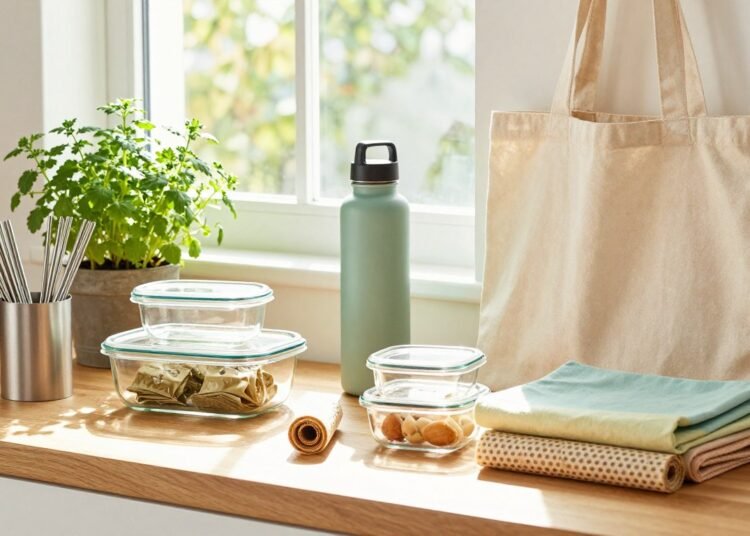
Start with the most frequently used disposable items. Reusable shopping bags, water bottles, and food containers offer simple substitutions. Keep these alternatives accessible in your car, by the door, or in your bag.
Many businesses welcome customers who bring their own containers. Some even offer discounts for using reusables. This approach makes sustainable choices financially rewarding.
Practical tips for replacing plastic bags, straws, and cutlery
For plastic bags, invest in one or two sturdy options made from recycled materials. Store them in multiple locations to ensure they’re always available. This way you’ll remember them for all shopping trips.
Replace disposable straws with stainless steel or silicone versions. Keep them with your reusable utensils. Create a simple to-go kit from existing kitchen items wrapped in a cloth napkin.
These swaps address problematic items like plastic bags and straws that consume finite resources. Small changes create significant environmental benefits over time.
Optimizing Waste Reduction in the Home Environment
The journey to meaningful waste reduction begins with understanding exactly what you’re throwing away. A home waste audit provides crucial data about your household’s disposal patterns.
This systematic approach reveals which items contribute most to your trash volume. You’ll identify problem areas that need immediate attention.
Conducting a waste audit to identify problem areas
Start by collecting all household waste for several days. Involve everyone to get accurate results. This baseline measurement guides your entire reduction effort.
Sort the collected items by different types and origins. Common categories include kitchen scraps, bathroom products, and various packaging materials. Weigh each category and document your findings.
Food waste often emerges as a significant concern. Nearly 40% of America’s food supply gets discarded. This represents both environmental and economic loss.
Tracking discarded food items reveals behavioral patterns. Note reasons like spoilage or over-preparation. This awareness helps prevent future waste.
Organic materials like food scraps belong in compost rather than landfills. Identifying these types of waste creates composting opportunities. This simple change reduces methane emissions significantly.
Your first week of awareness establishes new routines. Each day brings closer to sustainable habits. The audit data helps prioritize which packaging and disposable items to eliminate first.
Reusables Challenge: Transforming Food, Cleaning, and Self-Care Habits
Your kitchen and bathroom are prime locations for cutting waste with smart, sustainable habits. Small changes in these spaces yield significant environmental benefits.
Eco-friendly practices in kitchens, bathrooms, and personal care
Transform your food storage by ditching plastic wrap. Beeswax wraps or reusable silicone bags are excellent alternatives for covering bowls and wrapping sandwiches.
Store leftovers and pantry ingredients in glass containers. They stack neatly and protect your food better than disposable options.
Revamp your morning coffee ritual. A French press or reusable filter eliminates paper waste. Switching to loose-leaf tea also reduces packaging.
Don’t forget to compost your coffee grounds and tea leaves. This simple step turns waste into garden nutrients.
Creating sustainable routines with reusables and homemade alternatives
Making your own food is a powerful way to reduce packaging. Homemade hummus or granola tastes fresher and uses bulk ingredients.
You can also create personal care items. Simple ingredients like coconut oil and baking soda make effective toothpaste or scrubs.
For cleaning, mix vinegar, water, and lemon peels. This creates a natural all-purpose spray. These homemade solutions are safer and create less plastic waste.
Always bring your own containers for coffee shop runs or restaurant leftovers. This habit dramatically cuts down on single-use packaging.
Engaging with Businesses and the Community to Promote Reuse
The choices we make as consumers send powerful signals to local establishments about our environmental priorities. When we consistently choose sustainable options, we demonstrate market demand for eco-friendly practices.
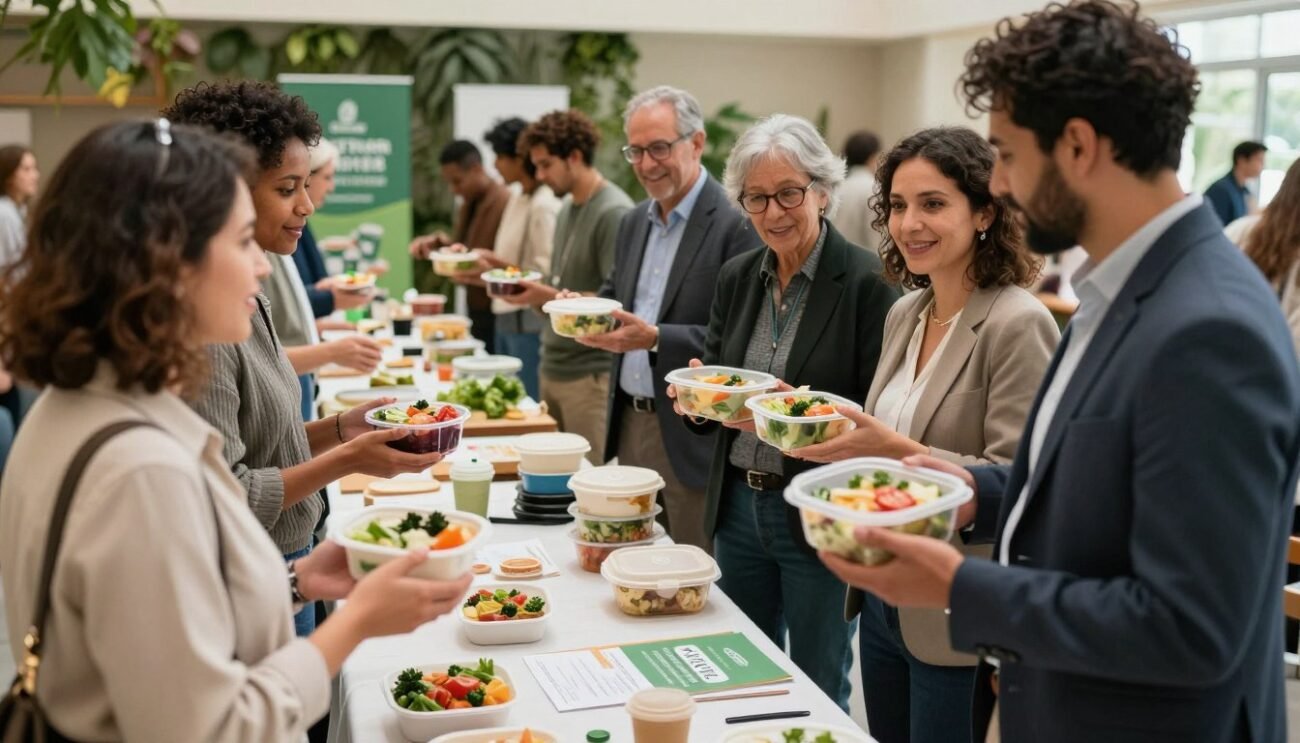
Advocating for reusable options in restaurants and local stores
Many dining establishments rely heavily on disposable items. You can transform this experience by bringing your own containers for leftovers. Most restaurants appreciate customers who take this initiative.
Share your positive experience on social media to celebrate progressive businesses. Tag the establishment and use movement hashtags. This public recognition encourages other restaurants to adopt similar practices.
Community support makes this challenge more sustainable over time. Join local zero-waste groups to share strategies and successes. These connections provide motivation throughout your week.
Local organizations often host events that support sustainable living. Participate in container swaps or bulk buying cooperatives. These ways of engaging make eco-friendly choices more accessible.
After a week of consistent advocacy, you’ll notice changing attitudes among local businesses. Your actions demonstrate that customers value environmental responsibility. This collective effort creates lasting change in how restaurants operate.
Conclusion
As you reflect on the past month of conscious choices, the cumulative benefits of your efforts become clear. Your waste reduction journey represents meaningful progress toward zero waste living. Each day you committed to sustainable alternatives created lasting impact.
Scientific evidence confirms that durable items consume fewer resources than single-use plastic and paper products over their lifecycle. This includes significant reductions in carbon emissions and packaging waste. Your consistent habit changes demonstrate real environmental benefits.
Compare your current waste output with your initial audit to measure progress. Set specific goals for the coming week and months ahead. Building sustainable routines takes time, but each small change creates substantial dividends.
Your participation in this eco-friendly challenge sends a powerful message to businesses about consumer preferences. Continue celebrating successes while adapting your approach over time. Every conscious choice moves us closer to a sustainable future.
FAQ
What is the main goal of adopting reusable items?
The primary aim is to drastically cut down on waste, especially from plastic and paper. This effort helps conserve natural resources and reduces your carbon footprint over time.
How can I start reducing waste in my kitchen?
Begin with a simple waste audit to see what you throw away most. Then, swap items like plastic bags for cloth totes and use glass containers for food storage and leftovers.
Are reusable alternatives more expensive?
While some items have a higher upfront cost, they save money in the long run. A quality stainless steel water bottle, for example, eliminates the need to buy plastic bottles every week.
What are some easy swaps for single-use plastics?
Great starters include carrying a reusable coffee cup, saying no to plastic straws, and using beeswax wraps instead of plastic wrap for food.
How can I encourage local businesses to offer reusable options?
You can politely ask restaurants if they accept your containers for leftovers. Supporting stores that provide bulk bins or offer discounts for bringing your own bags also sends a clear message.
Can making my own products really help the environment?
Absolutely. Homemade cleaners using simple ingredients like vinegar reduce packaging waste. Composting food scraps turns waste into nutrient-rich soil, completing a sustainable cycle.
Is it difficult to maintain these new habits?
Like any change, it takes practice. Start with one swap, like remembering your grocery bags. Soon, it becomes a natural part of your daily routine without much effort.