
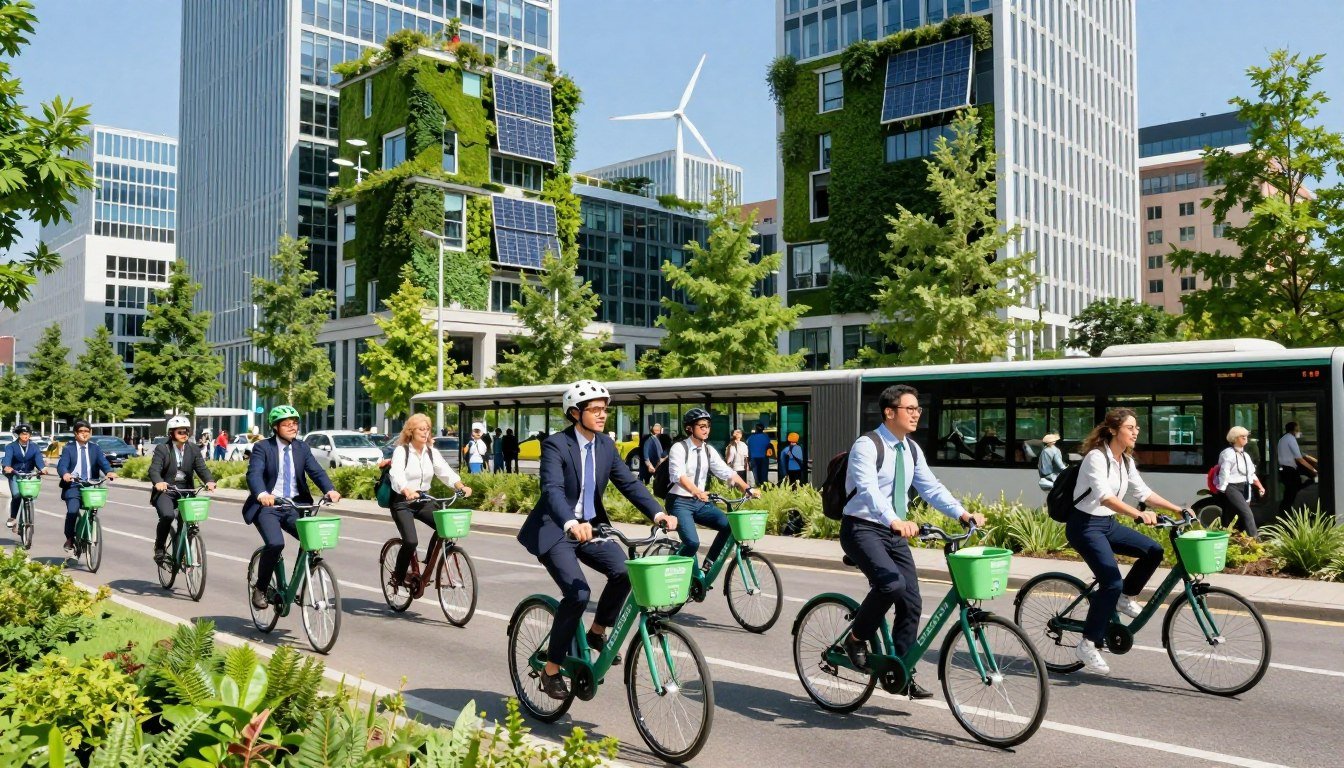
What if you could transform your daily travel routine into a powerful force for positive change in just one week?
This question lies at the heart of a movement gaining momentum across the United States. Many people feel stuck relying on their cars, but there’s a growing desire to find better ways to get around. This initiative offers a structured, supportive way to explore those alternatives.
The program is designed for real life. It doesn’t matter if you live in a bustling city with a subway or a quieter town with new bike lanes. The framework adapts to your location and the sustainable transportation options available to you.
By dedicating just seven days, you can experience the benefits firsthand. You might discover you save money, reduce stress, and even connect more with your community. The goal is to help you find realistic, lasting changes for your journey to work or school.
Key Takeaways
- The program is a short, focused opportunity to test sustainable travel methods.
- It is tailored to fit different city landscapes and available infrastructure.
- Participants often experience personal financial and environmental benefits.
- The initiative builds on successful regional models that have proven effective.
- Many people continue using their new travel habits long after the week ends.
- Support systems and tracking tools make the transition achievable.
- Understanding your local options is key to making informed choices.
Kick Off the Greener Commute Challenge
Successful transportation programs show that collective action can create measurable improvements in urban mobility and environmental health. These initiatives bring people together around shared sustainability goals.
Overview and Objectives
The primary goal focuses on reducing vehicle emissions that harm air quality. Programs typically run for a specific period, often a month during warmer seasons.
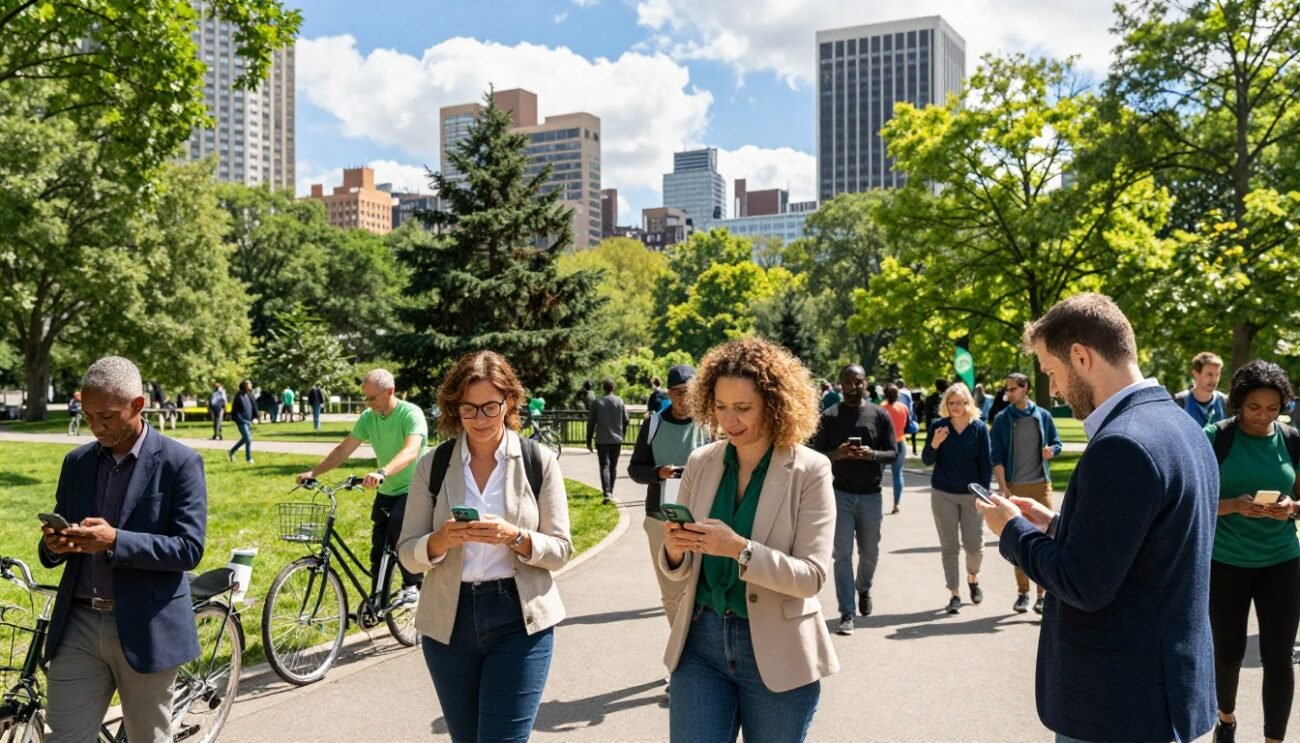
Participants track their sustainable trips using dedicated apps. This creates accountability and measures collective impact.
Historical Success Stories from Regional Programs
Kansas City’s program, now in its 16th year, runs each October. WAY TO GO hosts this month-long initiative where people earn points for green trips.
New York’s 2019 summer program achieved remarkable results. It reduced over 91,000 trip miles and saved participants $65,000 in vehicle costs.
The effort also cut 107,000 pounds of carbon dioxide emissions. Various municipalities and agencies competed for top honors.
How the Challenge Fosters Community and Sustainability
These programs build community through team competitions and friendly rivalry. Workplace groups and neighborhood teams motivate continued participation.
The approach demonstrates that small changes create meaningful impact. Replacing just a few car trips each week benefits both personal wellbeing and environmental health.
Community members join a larger movement toward climate action. They contribute to regional emission reduction goals while saving money.
Eco-Friendly Transportation Options for Your City
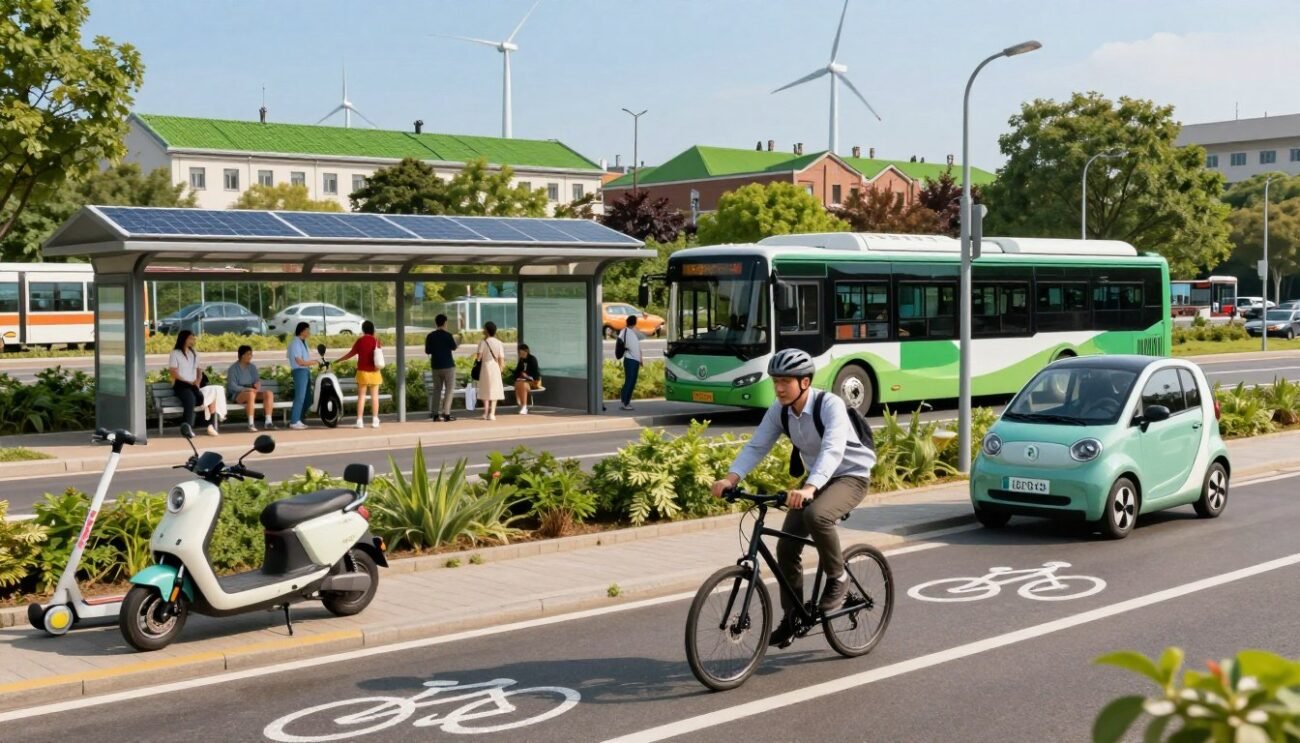
Modern cities offer diverse alternatives to single-occupancy vehicle travel that benefit both individuals and communities. These sustainable transportation options reduce environmental impact while providing practical mobility solutions.
Active Choices: Biking, Walking, and Skating
Active transportation turns travel time into health benefits. Biking provides excellent cardiovascular exercise while eliminating gas costs. Many cyclists report increased daily energy levels.
Walking offers stress reduction and neighborhood connection. Skating options work well on smooth urban surfaces. These active choices represent zero-emission travel methods.
Shared Rides and Public Transit Alternatives
Public transit systems serve as scalable solutions for longer distances. Buses and trains reduce the number of vehicles on roadways. Riders gain productive time during their journey.
Carpooling divides fuel expenses among multiple passengers. Ridesharing services fill gaps when transit schedules don’t align. These shared options maintain convenience while reducing traffic.
Practical Tips for Logging, Tracking, and Earning Rewards
Tracking your sustainable transportation choices transforms abstract environmental goals into measurable personal achievements. Proper documentation turns each alternative trip into data that reveals your impact.
Regional programs like Kansas City’s WAY TO GO and New York’s 511NY Rideshare provide specialized platforms. These tools help participants join teams and track progress throughout the challenge month.
How to Choose the Right Tracking App and Log Trips
Selecting the best app depends on your location’s available programs. Some cities offer dedicated platforms while others use national applications.
After registration, members input their basic commute information. They can join workplace teams or community groups for collective challenges.
To log trips effectively, open your app at journey start. Select your transportation mode and allow distance recording through GPS or manual entry.
Strategies to Maximize Your Benefits and Save Money
Consistent participation matters more than perfection. Replacing just a few car trips weekly accumulates significant points.
These programs calculate real-time savings compared to driving costs. You see money saved on gas and emissions reduced with each logged commute.
Strategic planning identifies optimal days for alternative transportation. Consider weather, schedules, and energy levels to maintain practical flexibility.
Engaging with social features amplifies motivation. Sharing accomplishments encourages colleagues to become active commuters in the challenge.
Conclusion
Making the switch to eco-friendly travel doesn’t require drastic lifestyle changes overnight. As Rachel Krause, WAY TO GO program coordinator, explains, “Being a green commuter doesn’t have to be an all-or-nothing endeavor.”
The seven-day framework offers a realistic starting point for exploring sustainable transportation. You can begin with just one or two alternative trips each week.
Small adjustments create meaningful impact on both personal wellbeing and regional air quality. Participants often discover financial savings and reduced stress levels.
These individual choices scale up to community-wide benefits when adopted collectively. The cumulative effect reduces harmful emissions and improves urban mobility.
By taking part in your city’s initiative, you join thousands who have transformed their daily travel habits. This proven approach makes sustainable transportation accessible to everyone.
FAQ
What is the purpose of this 7-day program?
The primary goal is to encourage people to try sustainable transportation methods for one week. This helps reduce vehicle emissions, improve local air quality, and can save participants money on gas.
How do I track my trips during the event?
You can log your journeys using a dedicated tracking app. Simply select your transportation method, like biking or transit, for each trip you take to work or around your community.
Are there any rewards for taking part?
Yes! Participants can earn benefits and save money. Many local programs offer incentives for logging trips and choosing options that cut down on single-occupancy vehicle use.
What if my city doesn’t have good public transit?
The program focuses on realistic options for your area. This includes active choices like walking or biking, and shared rides like carpooling, which are available in most communities.
Can I still participate if I can’t change my entire commute?
Absolutely. Every sustainable trip counts. You might try biking to the store or taking transit part of the way to work. The challenge is about progress, not perfection.