
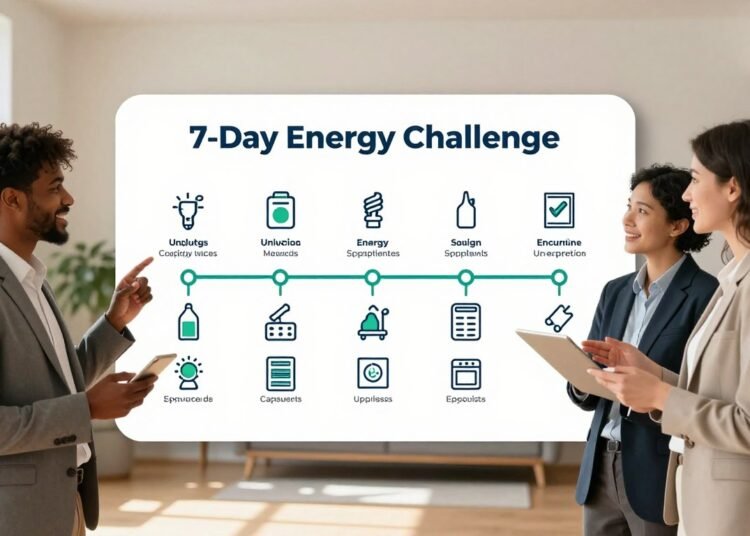
What if you could significantly lower your power bill and help the planet without changing your daily routine? This idea might seem too good to be true. Many people believe that saving power requires major sacrifices.
Our 7-day plan is a practical guide for households. It shows you how to make a real difference. You will learn to spot waste in your current habits. Small, smart changes add up to big results.
This approach is not about giving up comfort. It’s about using what you need more wisely. Your individual efforts are a powerful part of a global solution for a healthier environment.
This article provides a clear path forward. We will explore consumption trends and their impacts. You will get actionable steps for a cleaner, more efficient lifestyle.
Key Takeaways
- This 7-day plan offers a simple way to reduce your power consumption.
- You can achieve savings without sacrificing your quality of life.
- Learn to identify patterns of waste in your everyday habits.
- Small behavioral adjustments create meaningful, collective change.
- Individual actions contribute to addressing larger environmental concerns.
- The guide provides data-backed information and practical strategies.
The Energy Challenge: Navigating Energy Usage and Sustainability
Navigating our relationship with power consumption is one of the most critical issues of our time. This situation, often called the Global Energy Challenge, requires a careful balance.

Defining the Modern Energy Challenge
Nations worldwide must manage three key goals. They need affordable and reliable power, clean air, and protection from climate change. These aims often compete with one another.
The problem grows more complex every year. Since 1950, the world’s population has more than doubled. It is projected to increase by another 40 percent by 2050.
This growth creates unprecedented demands on our systems. As economies develop, people naturally use more resources. Countries like China and India are ascending this consumption ladder.
Their progress highlights a core tension. Providing inexpensive power can sometimes conflict with environmental goals. This makes thoughtful policy and individual action essential.
Your participation in a personal plan connects to these larger dynamics. Having the right information helps you make a real difference. Small changes at home contribute to the global solution.
Exploring Energy Sources and Environmental Impact
The fuels that power our modern world have undergone dramatic transformations over the past century. Our dependence on hydrocarbon combustion grew with engine-powered transportation. This shift created new environmental considerations.
Historical Trends in Worldwide Energy Consumption
Over the last 100 years, global consumption patterns changed significantly. Population growth and technological advancement drove increased demand. Electricity generation became heavily reliant on fossil fuels.
Today, nearly 70% of worldwide electricity comes from these traditional sources. Coal alone accounts for 42% of electrical generation. This creates substantial environmental pressures.
Fossil Fuels vs. Renewable Energy Solutions
Current systems face efficiency challenges. Power plants waste about 65% of input energy. Only 35% becomes usable electricity.
Transportation systems show even greater losses. Cars and trucks waste 65-80% of energy through conversion inefficiencies. This highlights the need for improved technologies.
Renewable alternatives like solar and wind offer cleaner options. They face distribution and seasonal availability challenges. Fossil fuels are expected to dominate for the next 25 years.
Water plays a crucial role in conventional power generation. It’s used for cooling processes in many plants. This creates intersection points between energy and water security.
Implementing Clean Energy Strategies and Policies
Strategic approaches to cleaner power systems combine cutting-edge innovations with thoughtful regulatory frameworks. These dual pathways work together to address environmental concerns while maintaining reliable service.
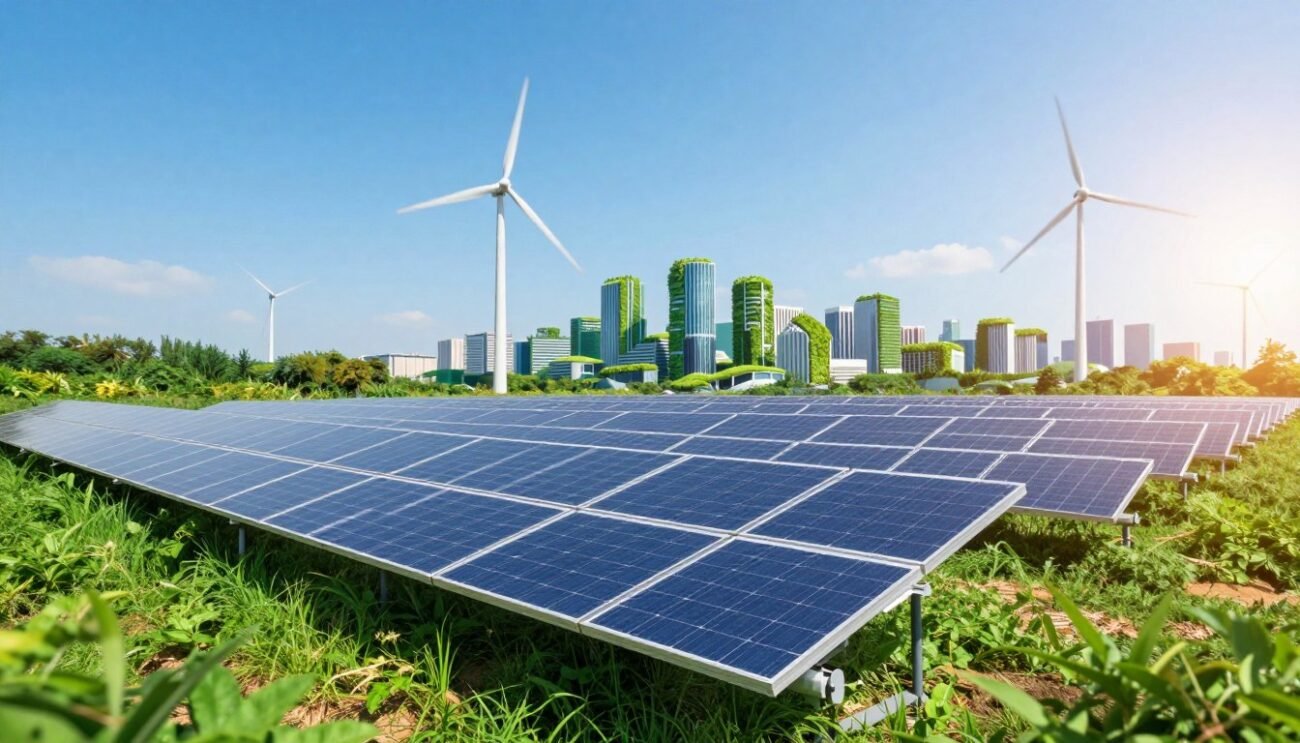
Governments set ambitious targets to drive progress. One notable goal aimed for 80% of electricity from clean sources by 2035. This includes renewables, nuclear, and advanced fossil technologies.
Innovative Technological and Materials Solutions
New power system designs offer significant efficiency improvements. Integrated gasification-combined cycle and gas turbine technologies reduce waste compared to conventional plants.
Hydrogen energy shows particular promise through fuel cell applications. It can eliminate pollution from both mobile and stationary sources. Carbon capture technologies also help manage emissions from continued fossil fuel use.
Advanced materials science enables more efficient solar cells and better batteries. Lighter transportation materials reduce consumption. These innovations support cleaner energy conversion.
Government Policies and Market Influences
Legislative mandates create concrete pathways for change. The biofuel requirement of 36 billion gallons represents a major commitment to diversifying sources.
Pricing mechanisms that include environmental costs create market incentives for cleaner choices. This approach treats power as a private good with associated responsibilities.
Supportive policies help renewable sources compete despite higher near-term costs. The right framework balances reliability, affordability, and environmental protection.
Conclusion
Making informed choices about resource use empowers each person to contribute to global solutions. The 7-day plan demonstrates how individual efforts connect to broader environmental goals. Your daily decisions create meaningful impact when multiplied across communities.
Addressing our collective energy challenge requires coordination across multiple fronts. Technological innovation, policy reforms, and smarter consumption patterns work together. People everywhere can help balance affordable access with climate protection.
Renewable sources and efficiency improvements offer promising pathways forward. The right information helps individuals make practical changes that benefit both household budgets and planetary health. Your participation in conservation practices represents real progress.
This transition toward sustainable systems continues to evolve through continued advancement. Every informed choice moves us closer to meeting growing demands while protecting our climate for future generations.
FAQ
What is the main goal of a 7-day energy reduction plan?
The primary aim is to help people significantly lower their power consumption over a week. This effort focuses on simple, actionable steps that do not require major lifestyle changes or discomfort. It’s a practical guide to becoming more aware of daily habits and their impact on your utility bills and the planet.
How do renewable sources like solar and wind compare to traditional fossil fuels?
Renewable solutions generate power without burning materials, which greatly reduces air pollution and greenhouse gas emissions. In contrast, fossil fuels like coal and oil release harmful substances that contribute to climate change. Technologies for harnessing sun and wind are also becoming more efficient and affordable worldwide.
What role do government regulations play in promoting clean power?
Public policy is crucial for accelerating the adoption of sustainable practices. Governments can create incentives for using renewables, set standards for efficiency, and fund research into new technologies. These market influences help make better options more accessible and cost-effective for everyone.
Can individual actions really make a difference in the global energy landscape?
Absolutely. When millions of people commit to reducing waste and choosing sustainable sources, the collective impact is substantial. Individual efforts drive demand for cleaner technologies and support broader shifts in how societies produce and consume power, contributing to a healthier environment.
What are some common sources of energy waste in a typical home?
Major culprits often include outdated appliances, poor insulation, and leaving electronics on standby. Heating and cooling systems can also be significant sources of inefficiency. Simple fixes, like sealing drafts or using a programmable thermostat, can prevent this waste and lower your bills.