What if the single most powerful tool for protecting our planet’s future was already in your home, waiting for you to use it wisely?
This thought-provoking question lies at the heart of our practical guide. We often overlook the immense potential of our daily routines. This program is designed to transform that potential into measurable, positive impact.
Over ten days, you will discover how minor adjustments in your habits can lead to significant conservation results. The approach is built on consistency, not complexity. It demonstrates how individual efforts, when multiplied across communities, create a powerful collective force for environmental benefit.
You can expect a clear, day-by-day plan focused on building awareness and developing sustainable practices. The goal is progress, not perfection. This journey empowers you to see tangible results in your resource usage, making conservation an approachable and rewarding part of everyday life.
Key Takeaways
- Small, consistent daily actions can lead to a major reduction in your household’s resource consumption.
- This program is designed for everyone, focusing on simple, achievable habit changes.
- Tracking your progress over the ten-day period helps visualize your personal environmental contribution.
- Collective action by individuals and families creates a substantial positive effect on freshwater resources.
- The challenge emphasizes building long-term awareness and practical skills for sustainable living.
- You will learn actionable strategies that fit seamlessly into your daily routine.
Getting Started with the Water Saving Challenge
While oceans dominate our world’s surface, the liquid essential for life represents just a tiny percentage of that total. This limited freshwater supply faces growing pressure from population growth and climate shifts.
Understanding the Importance of Water Conservation
Only 3% of Earth’s water is fresh, and much of that is locked in glaciers or underground. Climate change intensifies droughts and heatwaves, making careful resource management crucial.
Our daily consumption directly impacts natural ecosystems. Lakes, rivers, and wetlands provide habitats for thousands of species. Responsible household habits help protect these vital environments.
Overview of the 10-Day Challenge and How It Works
This program offers a structured way to build sustainable practices. The framework progresses through three clear phases over the ten-day period.
Days 1-3 focus on awareness building. You’ll learn to identify consumption patterns. Days 4-7 introduce quick wins with immediate impact.
The final days 8-10 help solidify long-term habits. Simple tracking methods let you measure progress. These small changes can lead to significant resource conservation over a full year.
Starting with a baseline assessment reveals your biggest opportunities. The approach emphasizes consistency over complexity for lasting results.
Effective Daily Habits for Saving Water
Small adjustments in your daily routine can lead to big conservation wins. This part of the program focuses on practical actions you can start right away.
These methods are designed for immediate impact. They build momentum for lasting change in your household.
Adopting Quick Wins: From Shorter Showers to Efficient Dishwashing
Begin with your bathroom routine. Opting for a brief shower instead of a bath is a simple change. Try to keep it under four minutes for the best results.
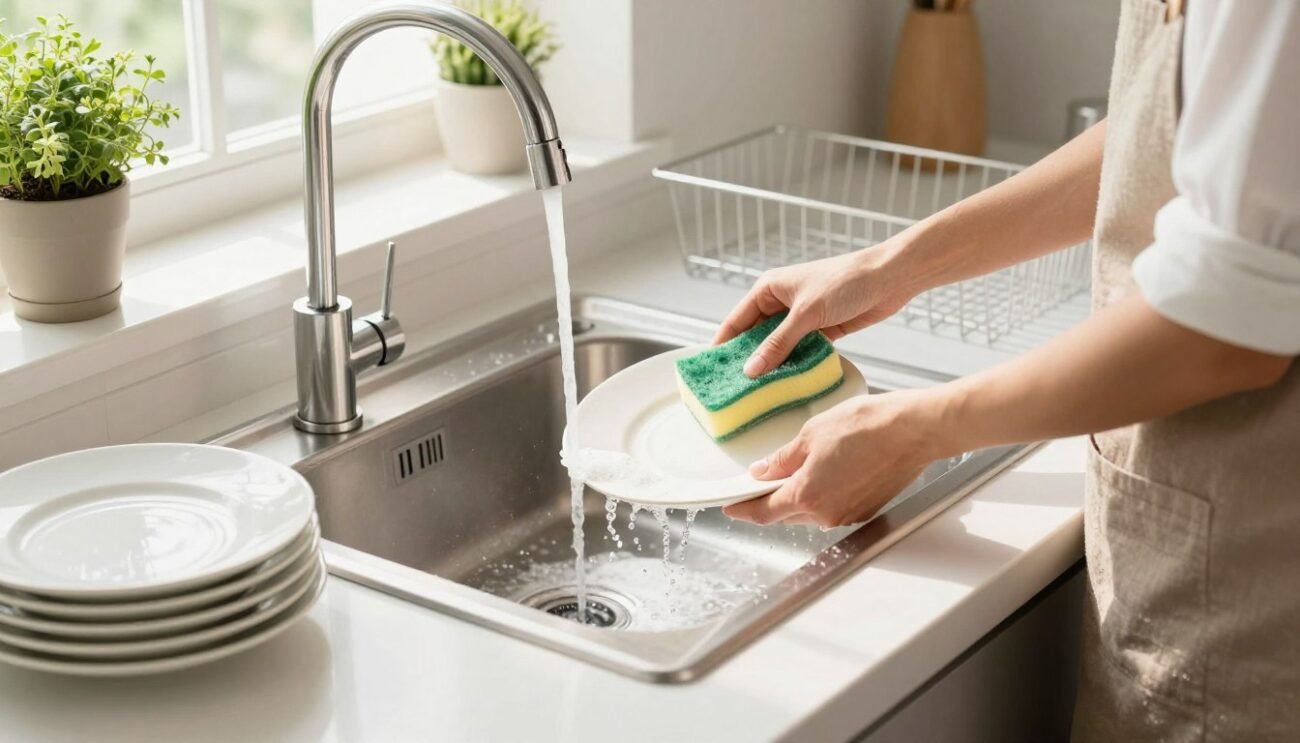
In the kitchen, how you clean your dishes matters. Using a dishwasher for full loads is far more efficient than handwashing. This one switch can conserve thousands of liters annually.
Avoid pre-rinsing plates before loading them. Modern machines are designed to handle food soil effectively.
Simple Adjustments: Turning Off Taps and Fixing Leaks
A running faucet wastes a surprising amount of liquid. Turn it off while brushing your teeth or scrubbing dishes. This is one of the easiest ways to make a difference every day.
Silent leaks are a major source of waste, especially from the toilet. A simple audit can help you find them. Check for drips and listen for running sounds.
Fixing a leaky toilet is often a quick DIY project. Many companies offer free detection strips to help you identify problems early.
Engaging Your Community and Family in Water Saving Challenge
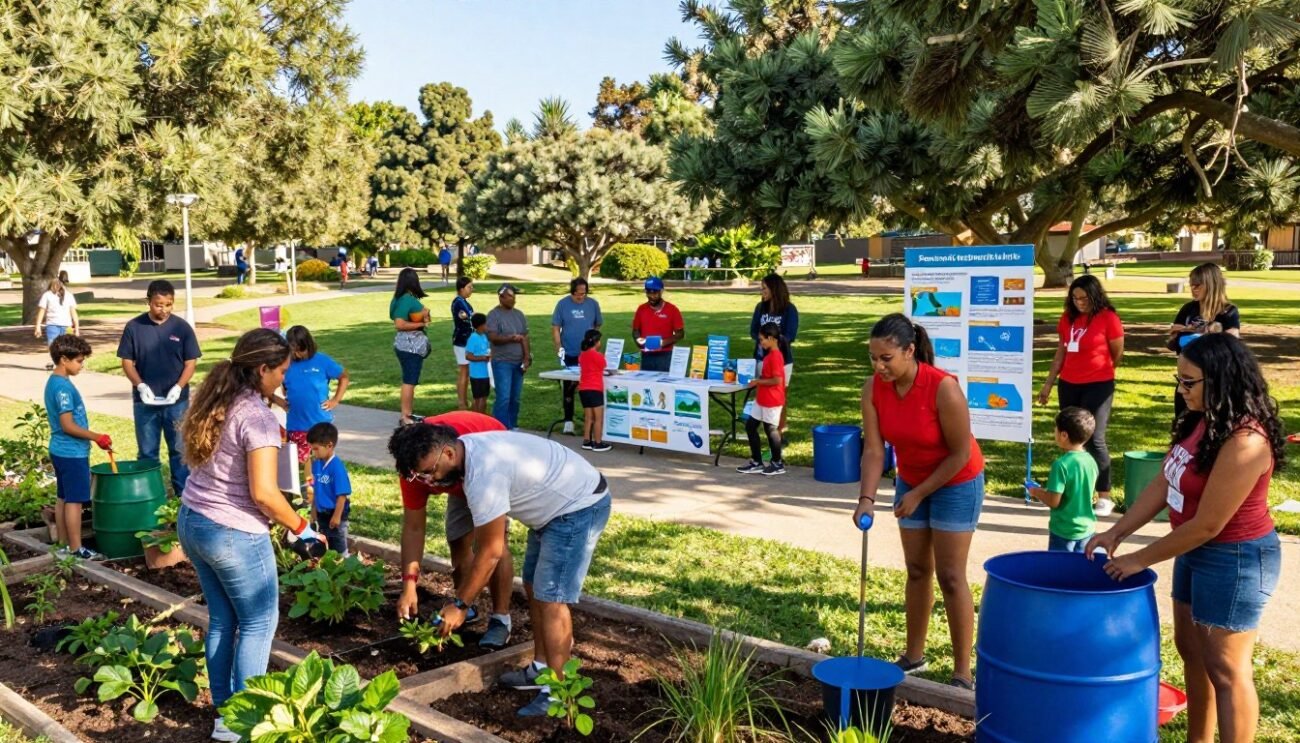
The true power of environmental action emerges when individuals unite around common goals. Bringing your network into the conservation effort transforms personal habits into collective achievements.
This approach builds momentum that extends far beyond the initial ten-day period. It creates lasting change through shared commitment.
Incorporating Fun Challenges and Competitions
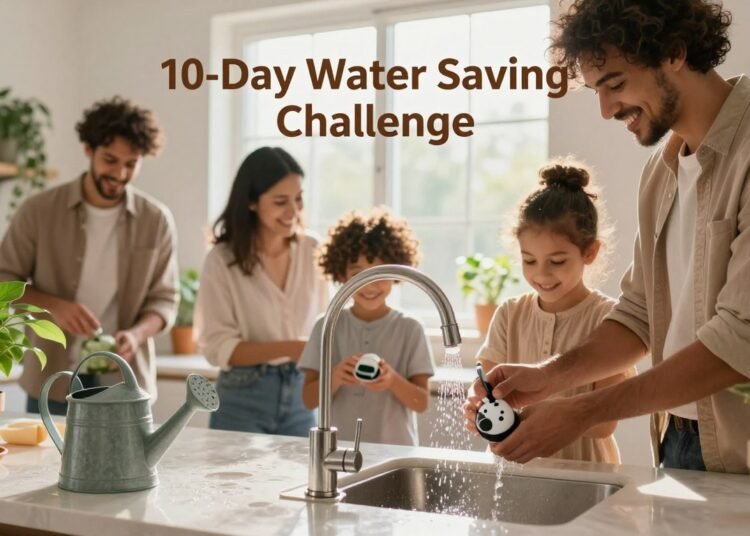
Turn conservation into engaging activities that bring people together. Friendly competitions make the process enjoyable for everyone involved.
Organize a shower timing contest where participants aim for efficient routines. Track results and celebrate winners with creative, low-cost rewards.
Create a leak detection game using timers to find household issues quickly. This turns maintenance into an exciting challenge for families.
Host water trivia nights to educate while building community connections. These gatherings reinforce conservation knowledge in social settings.
Using Technology and Social Media for Water Awareness
Digital platforms offer powerful tools for collective action. Share progress updates and tips within your network to maintain accountability.
Create online groups where members exchange conservation strategies. This provides ongoing support and motivation for all participants.
Track your community’s combined impact to demonstrate how group efforts multiply results. Seeing collective achievements inspires continued participation.
Social media creates visibility for your conservation challenge. It’s an effective way to expand your impact while saving money through reduced consumption.
Conclusion
Building eco-friendly habits starts with understanding how small, consistent actions accumulate into substantial results over time. This ten-day framework provides the structure needed to transform temporary efforts into lasting practices.
The daily routines you’ve developed can lead to significant resource conservation throughout the year. These habits also reduce household expenses, creating financial benefits alongside environmental ones.
Every individual’s contribution matters. When multiplied across communities, the collective impact on freshwater resources becomes truly meaningful. Continue tracking your progress and share your successes.
The awareness gained during this period offers lasting value. Conscious resource use connects personal actions to broader environmental goals, creating sustainable living patterns for years to come.
FAQ
What is the main goal of this 10-day program?
The primary aim is to introduce small, manageable habits that lead to significant reductions in your household’s usage. It focuses on building a sustainable routine for long-term conservation and cost savings.
Do I need any special equipment to participate?
No special gear is required. The program is designed around simple behavioral changes, like taking shorter showers and turning off the faucet while brushing your teeth. If you have a low-flow showerhead or a WaterSense labeled toilet, those can enhance your results.
How much money can I realistically save on my utility bills?
Savings vary by household, but many participants see a noticeable difference. Fixing a leaky toilet, for instance, can save nearly 200 gallons a day. Over a year, these small adjustments can add up to substantial financial savings.
Can my whole family get involved in the challenge?
Absolutely! Involving your family and community is encouraged. You can create fun competitions, like tracking who takes the shortest shower. Engaging others multiplies the positive environmental effect.
What is the single most impactful action I can take?
Addressing leaks is highly effective. A dripping faucet or a running toilet wastes a tremendous amount. Checking for and fixing these issues is a quick win with a major payoff for both conservation and your wallet.
Is it better to wash dishes by hand or use a dishwasher?
Using a full, energy-efficient dishwasher like those from Bosch or KitchenAid typically uses less than hand-washing. If you wash by hand, don’t let the water run. Fill one basin for washing and another for rinsing.